Alcoholism in the Irish Culture
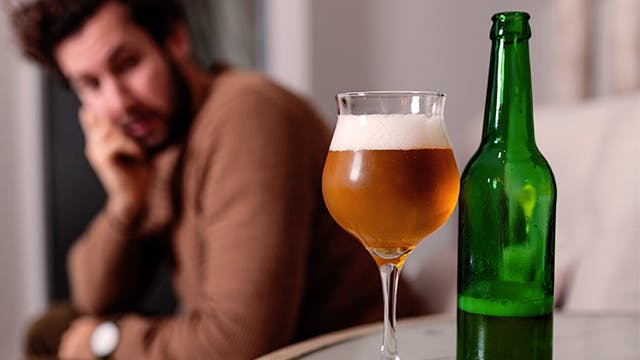
Experience
with alcoholics has put this writer in touch with various clients of
Irish decent, all of whom have shared similarities in their descriptions
of alcohol in their Irish culture. They describe that alcohol is drunk
in excess at weddings, at funerals, on holidays, and on sad days.
Alcohol is most appropriate on Saturdays and Sundays; and Mondays,
Tuesdays, Wednesdays, Thursdays, and Fridays. Sober clients who are
otherwise not so careful with "people, places, and things" still avoid
the Irish Day Parade like the plague. What is the relationship between
Ireland and Alcohol in context of history, social aspects, and medical
considerations?
Historical Context:
As will be explained, the retail price of alcoholic drinks has consistently been considered an important regulator of alcohol consumption and by implication, a method of controlling the amount of excessive drinking. Regulating alcohol patterns has been a debated issue in Ireland as far back as 1791 when it was actually debated in the Irish parliament. Apparently the problems of alcoholism were rampant in Ireland already back then. At that time, the "Gin Act" in England was used as a proof that a parliament could regulate production and sales to help sober a country. This issue has never been resolved and while at the beginning of last century poverty was blamed for excessive drinking, nowadays affluence is frequently mentioned as a cause. These days, the popular mindset is described in the expression, "Alcoholism comes in people and not in bottles." Irish parliament is still very much uninvolved in alcoholic litigation for various cultural, religious, and political reasons. These will all be touched upon again in farther discussion on the causes and trends of Irish drinking habits (Blaney, 1974).
How much do the Irish drink?
It is significant to mention that in spite of the numbers supporting the notion of higher alcohol consumption with Irish drinkers, a significant proportion of the Irish population do not drink any alcohol at all. In numerous studies, almost three times as many Irish citizens reported that they had not consumed any alcohol at all during the past 12 months than as in any Scandinavian countries and almost twice the abstinence rate as those reported in Germany, UK, France, and Italy (Ramstedt & Hope, 2003).
While Ireland has the highest level of abstinence amid the aforementioned countries, it also boasts twice as high levels of alcohol consumption compared to those same countries. This means that those who do drink in Ireland drink much higher quantities per person as other regions (Ramstedt & Hope, 2003). The most recent statistics of the World Health Organization (2011) reports that Irish drinkers consume an average of 14.41 liters of alcohol per year, the highest among all countries mentioned thus far.
When you have just about any inquiries about exactly where in addition to the way to use 작대기삽니다, you possibly can call us in the webpage.
This amount is measured in the amount of pure ethyl alcohol. In comparison, the average drinker in the United States only consumes 9.44 liters. That is approximately 5 liters of alcohol less per person than drinkers in Ireland. Amongst the Irish that do drink, the heaviest drinking occurs with Irish second generation (Mullen, Williams, & Hunt, 1996). Ramstedt & Hope (2003) state that the higher overall level of drinking in Ireland is directly associated with higher alcohol-related mortality related to deaths from liver cirrhosis, accidents, and homicide.
Amazingly, daily drinking in the same countries mentioned is lowest in Ireland in spite of the high alcohol consumption per year. Only 1.6% of Irish men drink every day. Comparatively, 42% of men drink every day in Italy, 21% in France, and 12% in Germany. These percentage differentiations are similar among women as well (Ramstedt & Hope, 2003). This would seem to suggest that while the Irish may not drink every day, when they do drink it is in vastly greater quantities per drink.
Why do Irish Drink? Causes and Trends:
Blaney (1974) describes various explanations as to why there is such a link between the Irish and Alcohol. Irish weather and climate is commonly believed to be an important cause of Irish overindulgence. The basic idea is that the damp climate and inclement weather cause people to seek modes of stimulation such as alcohol. This theory was especially prevalent in the mid nineteenth-century.
Lack of quality food has also been blamed. Theorists seek to show how the Irish have a general tendency for substitute drinking for eating in response to certain situations. Additionally, a lack of alternative drinking establishments has long been blamed in Ireland for excessive consumption of alcohol. It is believed that the development of the Cafe and Coffee-House Movement towards the end of the last century occurred in direct response to this association. The political rhetoric of the time included statements like "there are few places to go except the pub" and "there is nothing else for young people to do on Friday nights than to start drinking."
Another cultural dynamic in Ireland is the pervasive availability of open alcohol eateries known as "public houses" or "pubs." Ireland also has very loose legal constraints monitoring public alcohol sales in groceries. The corresponding modern view is that availability of alcohol in public houses and supermarkets leads to excessive drinking - especially in women. On these fronts, licensing laws regulating the availability of alcohol are rapidly re-evolving and researchers are closely following correlations between alcohol litigation and excessive drinking trends.
Obviously, these considerations of pinpointing availability of alcohol - or unavailability of other beverages - as the causes of excessive use of alcohol in Ireland is somewhat faulty. While these may explain the continuation or perpetuation of high rates of alcoholism in second generation Irish youth, it fails to explain how the evolution of an exclusive cultural relationship with alcohol was initiated to begin with. These factors are significant however, in understanding causes for new trends of alcoholism in modern Irish culture.
Historical Context:
As will be explained, the retail price of alcoholic drinks has consistently been considered an important regulator of alcohol consumption and by implication, a method of controlling the amount of excessive drinking. Regulating alcohol patterns has been a debated issue in Ireland as far back as 1791 when it was actually debated in the Irish parliament. Apparently the problems of alcoholism were rampant in Ireland already back then. At that time, the "Gin Act" in England was used as a proof that a parliament could regulate production and sales to help sober a country. This issue has never been resolved and while at the beginning of last century poverty was blamed for excessive drinking, nowadays affluence is frequently mentioned as a cause. These days, the popular mindset is described in the expression, "Alcoholism comes in people and not in bottles." Irish parliament is still very much uninvolved in alcoholic litigation for various cultural, religious, and political reasons. These will all be touched upon again in farther discussion on the causes and trends of Irish drinking habits (Blaney, 1974).
How much do the Irish drink?
It is significant to mention that in spite of the numbers supporting the notion of higher alcohol consumption with Irish drinkers, a significant proportion of the Irish population do not drink any alcohol at all. In numerous studies, almost three times as many Irish citizens reported that they had not consumed any alcohol at all during the past 12 months than as in any Scandinavian countries and almost twice the abstinence rate as those reported in Germany, UK, France, and Italy (Ramstedt & Hope, 2003).
While Ireland has the highest level of abstinence amid the aforementioned countries, it also boasts twice as high levels of alcohol consumption compared to those same countries. This means that those who do drink in Ireland drink much higher quantities per person as other regions (Ramstedt & Hope, 2003). The most recent statistics of the World Health Organization (2011) reports that Irish drinkers consume an average of 14.41 liters of alcohol per year, the highest among all countries mentioned thus far.
When you have just about any inquiries about exactly where in addition to the way to use 작대기삽니다, you possibly can call us in the webpage.
This amount is measured in the amount of pure ethyl alcohol. In comparison, the average drinker in the United States only consumes 9.44 liters. That is approximately 5 liters of alcohol less per person than drinkers in Ireland. Amongst the Irish that do drink, the heaviest drinking occurs with Irish second generation (Mullen, Williams, & Hunt, 1996). Ramstedt & Hope (2003) state that the higher overall level of drinking in Ireland is directly associated with higher alcohol-related mortality related to deaths from liver cirrhosis, accidents, and homicide.
Amazingly, daily drinking in the same countries mentioned is lowest in Ireland in spite of the high alcohol consumption per year. Only 1.6% of Irish men drink every day. Comparatively, 42% of men drink every day in Italy, 21% in France, and 12% in Germany. These percentage differentiations are similar among women as well (Ramstedt & Hope, 2003). This would seem to suggest that while the Irish may not drink every day, when they do drink it is in vastly greater quantities per drink.
Why do Irish Drink? Causes and Trends:
Blaney (1974) describes various explanations as to why there is such a link between the Irish and Alcohol. Irish weather and climate is commonly believed to be an important cause of Irish overindulgence. The basic idea is that the damp climate and inclement weather cause people to seek modes of stimulation such as alcohol. This theory was especially prevalent in the mid nineteenth-century.
Lack of quality food has also been blamed. Theorists seek to show how the Irish have a general tendency for substitute drinking for eating in response to certain situations. Additionally, a lack of alternative drinking establishments has long been blamed in Ireland for excessive consumption of alcohol. It is believed that the development of the Cafe and Coffee-House Movement towards the end of the last century occurred in direct response to this association. The political rhetoric of the time included statements like "there are few places to go except the pub" and "there is nothing else for young people to do on Friday nights than to start drinking."
Another cultural dynamic in Ireland is the pervasive availability of open alcohol eateries known as "public houses" or "pubs." Ireland also has very loose legal constraints monitoring public alcohol sales in groceries. The corresponding modern view is that availability of alcohol in public houses and supermarkets leads to excessive drinking - especially in women. On these fronts, licensing laws regulating the availability of alcohol are rapidly re-evolving and researchers are closely following correlations between alcohol litigation and excessive drinking trends.
Obviously, these considerations of pinpointing availability of alcohol - or unavailability of other beverages - as the causes of excessive use of alcohol in Ireland is somewhat faulty. While these may explain the continuation or perpetuation of high rates of alcoholism in second generation Irish youth, it fails to explain how the evolution of an exclusive cultural relationship with alcohol was initiated to begin with. These factors are significant however, in understanding causes for new trends of alcoholism in modern Irish culture.
Comments
Post a Comment